


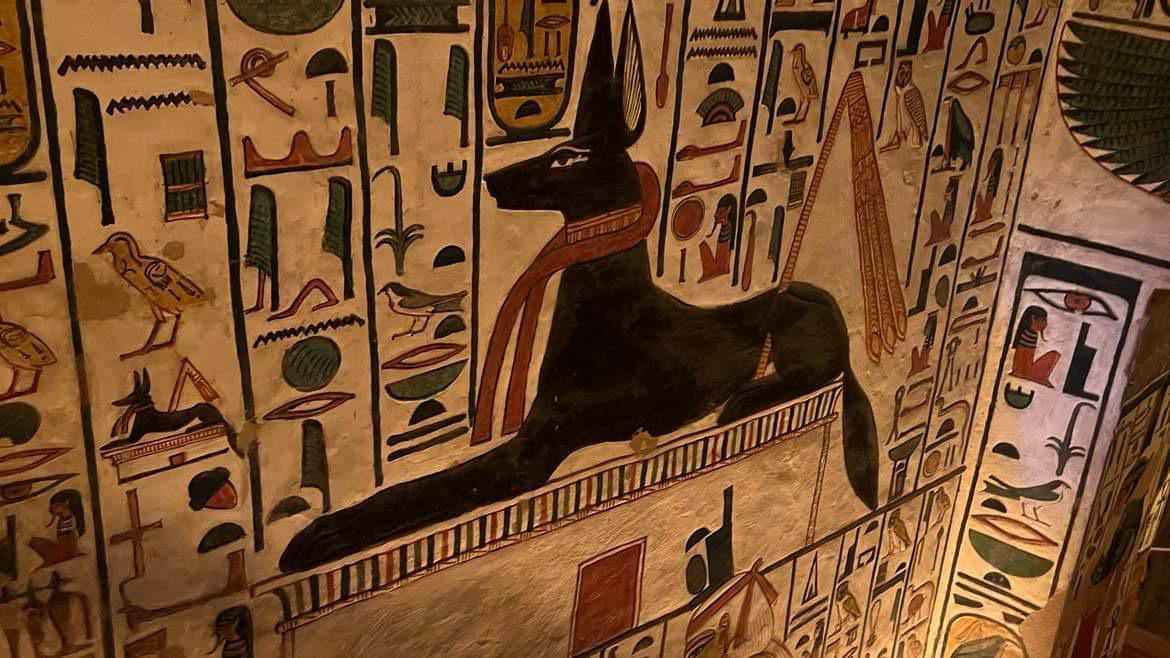
For centuries, tales of ancient Egyptian curses have captured the imaginations of adventurers, archaeologists, and storytellers alike. At the heart of this intrigue lies the infamous Curse of the Pharaohs—a chilling legend said to haunt those who disturb the sacred tombs of Egypt’s mighty rulers. But is the curse real, or is it just a story woven into the mystique of Egypt’s ancient civilization? Let’s unravel the mystery.
The Origin of the Curse
The legend of the Pharaoh’s curse gained global attention in 1922 with the discovery of King Tutankhamun’s tomb by British archaeologist Howard Carter. Funded by Lord Carnarvon, the excavation unearthed treasures that had lain undisturbed for over 3,000 years. Shortly after the tomb was opened, Carnarvon died under mysterious circumstances—a mosquito bite that turned into a fatal infection.
This fueled rumors of a curse that would strike down anyone who entered the tomb. Newspaper headlines screamed of “The Curse of Tutankhamun,” and the world was gripped by fear and fascination.
What Does the Curse Say?
While no formal “curse” was inscribed in King Tut’s tomb, similar warnings have been found in other burial sites. One chilling inscription reads:
“Death will come on swift wings to him who disturbs the peace of the king.”
These warnings were believed to protect the sanctity of the pharaoh’s eternal rest and deter grave robbers.
The Evidence of the Curse
Following the tomb’s discovery, a series of unusual deaths and misfortunes were linked to the curse, including:
- Lord Carnarvon: Died months after the tomb was opened.
- Arthur Mace: A member of the excavation team, died mysteriously.
- George Jay Gould: A wealthy visitor to the tomb, succumbed to a fever shortly afterward.
While many saw these events as proof of the curse, skeptics attributed them to coincidence, pre-existing health conditions, or even exposure to ancient bacteria or fungi in the tomb.
Scientific Explanations
Modern science has attempted to demystify the curse. Some researchers suggest that ancient tombs, sealed for millennia, could harbor dangerous molds or pathogens, such as Aspergillus niger and Aspergillus flavus, which may cause respiratory issues or infections in those who breathe them in.
Others argue that the “curse” was simply a psychological phenomenon—a combination of fear, stress, and suggestion influencing the health and behavior of those involved.
Cultural Impact of the Curse
The Curse of the Pharaohs has become a staple of popular culture, inspiring books, movies, and TV shows. From the chilling imagery of mummies wreaking havoc in classic horror films to the adventurous tales of tomb raiders in modern blockbusters like The Mummy series, the legend continues to captivate audiences worldwide.
Even today, the idea of a pharaoh’s curse adds an extra layer of mystique to Egypt’s ancient history, drawing countless visitors to explore its tombs and treasures.
Is the Curse Real?
The truth about the Curse of the Pharaohs remains elusive. While no scientific evidence supports a supernatural explanation, the sheer number of eerie coincidences keeps the legend alive. Perhaps the real curse lies in our insatiable curiosity and the irresistible allure of Egypt’s ancient secrets.
Visiting Egypt’s Tombs Today
If the tales of curses intrigue you, Egypt offers countless opportunities to explore the mysteries firsthand:
- Valley of the Kings: Home to Tutankhamun’s tomb and many others.
- Saqqara: Explore ancient burial chambers and intricate hieroglyphs.
- Cairo’s Egyptian Museum: Marvel at artifacts, including Tutankhamun’s treasures.
While modern visitors need not fear a curse, it’s always wise to respect the sacred spaces of Egypt’s ancient rulers.
The Curse of the Pharaohs continues to be a powerful symbol of Egypt’s enigmatic history, blending fact, fiction, and fear into a timeless tale. Whether you believe in the supernatural or not, one thing is certain: the allure of Egypt’s past is impossible to resist.
Have your own thoughts about the curse or experiences exploring Egypt’s ancient tombs? Share them in the comments below!
Don’t forget to explore our exclusive travel packages and experiences to make your Egyptian adventure truly unforgettable!
Cairo, Luxor, Aswan, and Marsa Alam: Ultimate 10-Days/9-Nights Egyptian Adventure


